SEC2009 Home

Category

Technical Guides

8 articles

Logs Are Not Evidence: Rethinking Retention Policies for Investigations That Actually Hold Up

Logs Are Not Evidence: Rethinking Retention Policies for Investigations That Actually Hold Up

Most organizations can demonstrate they collected logs. Far fewer can demonstrate those logs are usable when an investigation demands answers. This guide examines the structural failures in log retention strategy—from indexing gaps to timeline fragmentation—and offers a framework for building logging infrastructure that serves investigators, not just compliance auditors.

Declared Contained, Still Compromised: The Forensic Gaps That Let Adversaries Linger

Declared Contained, Still Compromised: The Forensic Gaps That Let Adversaries Linger

Premature incident closure is one of the most costly mistakes a security team can make, and it is far more common than post-incident reports suggest. This guide examines the structural and psychological pressures that drive teams to stop investigating too early, and presents a rigorous forensic framework for ensuring adversaries have genuinely been evicted before a case is closed.

Adversary Simulation Without the Enterprise Price Tag: A Practical Purple Team Playbook

Adversary Simulation Without the Enterprise Price Tag: A Practical Purple Team Playbook

Purple team exercises have long been treated as a luxury reserved for organizations with dedicated red team vendors and six-figure security budgets. This guide challenges that assumption, offering a structured approach for mid-market security teams to design and execute meaningful adversary simulations using open-source tooling, internal talent, and disciplined scenario planning.

Signal Overload: When Comprehensive Telemetry Becomes the Enemy of Effective Detection

Signal Overload: When Comprehensive Telemetry Becomes the Enemy of Effective Detection

Modern security operations centers are collecting more data than ever before, yet detection quality continues to disappoint. This guide examines the counterintuitive relationship between telemetry volume and detection effectiveness, and offers a structured methodology for rebuilding a leaner, more precise monitoring architecture.

Passwordless in Practice: The Deployment Realities Security Teams Don't Talk About

Passwordless in Practice: The Deployment Realities Security Teams Don't Talk About

The industry has promised passwordless authentication for nearly a decade, yet most enterprises remain tethered to credential-based systems riddled with known vulnerabilities. This guide examines where real-world deployments break down, what the hidden migration costs actually look like, and which approaches have demonstrated durable success beyond the vendor pitch deck.

Structured Trust in an Untrusted World: Implementing Zero Trust Without Paralyzing Your Organization

Structured Trust in an Untrusted World: Implementing Zero Trust Without Paralyzing Your Organization

Zero trust architecture promises stronger security posture, but poorly executed rollouts frequently produce friction that undermines both productivity and user adoption. This guide examines how security teams can phase zero trust deployments thoughtfully, drawing on real-world implementation patterns to strike a durable balance between rigorous access control and operational continuity.

Building an OSINT Capability: A Structured Approach for Threat Hunters and Security Researchers

Open-source intelligence has matured from an informal investigative technique into a structured discipline that complements — and often outpaces — traditional threat detection methods. This guide walks security practitioners through the tools, methodologies, and ethical frameworks required to build a functional OSINT program, from initial reconnaissance workflows to automated collection pipelines and responsible disclosure practices.

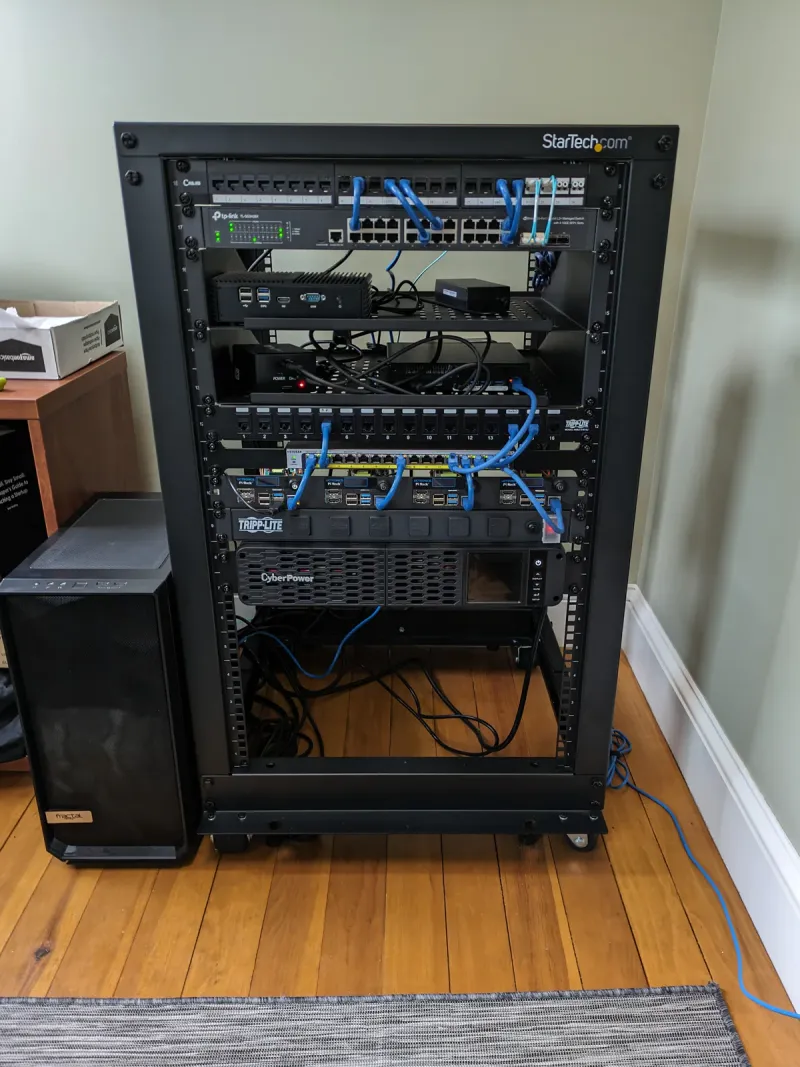
From Spare Parts to Security Research: A Practitioner's Guide to Building a Functional Lab Environment

From Spare Parts to Security Research: A Practitioner's Guide to Building a Functional Lab Environment

Establishing a dedicated environment for vulnerability research and malware analysis is one of the most valuable investments a cybersecurity professional can make in their own development. Whether you are working from a spare bedroom or a dedicated organizational space, a well-architected lab enables hands-on experimentation that no certification course can replicate. This guide walks through hardware selection, virtualization strategy, essential open-source tooling, and the legal boundaries eve